
India has three distinct paths for insurance distribution: individual agent, POSP (Point of Sale Person), and insurance broker. Each has different regulatory requirements, different product flexibility, and different earning potential. Many people entering the insurance career use these terms interchangeably and end up choosing the wrong path for their goals. This guide breaks down what each path actually involves, who it's right for, and how to decide between them. Note: regulatory rules around licensing change periodically — always verify current IRDAI guidelines before deciding. Related: POSP Agent Software, SaaS for POS Persons, LIC Agent Software.
Individual Agent — The Most Common Path
An individual insurance agent is typically licensed to represent a specific insurer. For LIC agents specifically, this means representing LIC and selling LIC products. For private insurer agents, the relationship is similar — you're affiliated with one company and primarily sell their products.
Entry requirements typically include passing the IC-38 exam (Insurance Institute of India), IRDAI agent training, and getting affiliated with an insurer. The path has been the dominant model in Indian insurance distribution for decades — LIC alone has lakhs of licensed agents nationwide.
Pros: structured training, dedicated insurer support, predictable commission slabs, brand backing. Cons: limited to one insurer's product portfolio, dependent on that insurer's competitiveness across categories. Best for: first-time entrants, agents who prefer to specialize deeply in one insurer's products. A solid insurance agent app like Agenex supports this workflow whether you're an LIC agent, a Bajaj agent, an HDFC agent, etc. The best app for LIC agents specifically handles LIC's product structure with installment frequencies, paid-up logic, nominee mapping.
POSP (Point Of Sale Person) — The Lower-Barrier Path
The POSP model was designed by IRDAI to widen insurance distribution. POSPs can sell pre-approved categories of insurance products (typically simpler motor and health products) through brokers or web aggregators they're attached to. Entry barriers are lower — less rigorous exam requirements, faster onboarding, primarily digital sales workflow.
The POSP path is increasingly popular for two reasons: it's a low-friction way to enter insurance distribution, and the digital-first sales approach matches how younger customers prefer to buy. POSPs operate as extensions of larger broker entities — the broker holds the regulatory license, the POSP is the sales-facing extension.
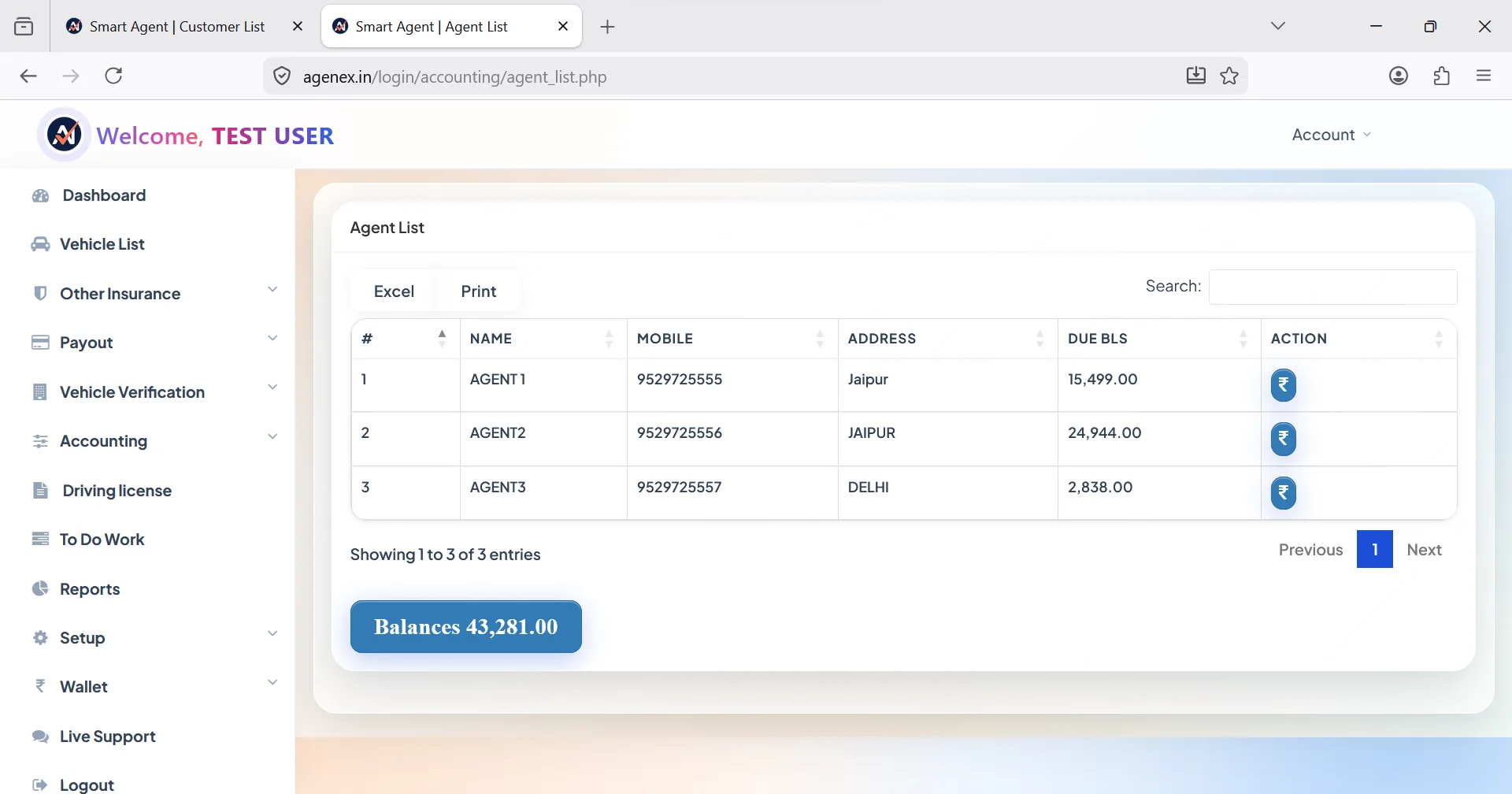
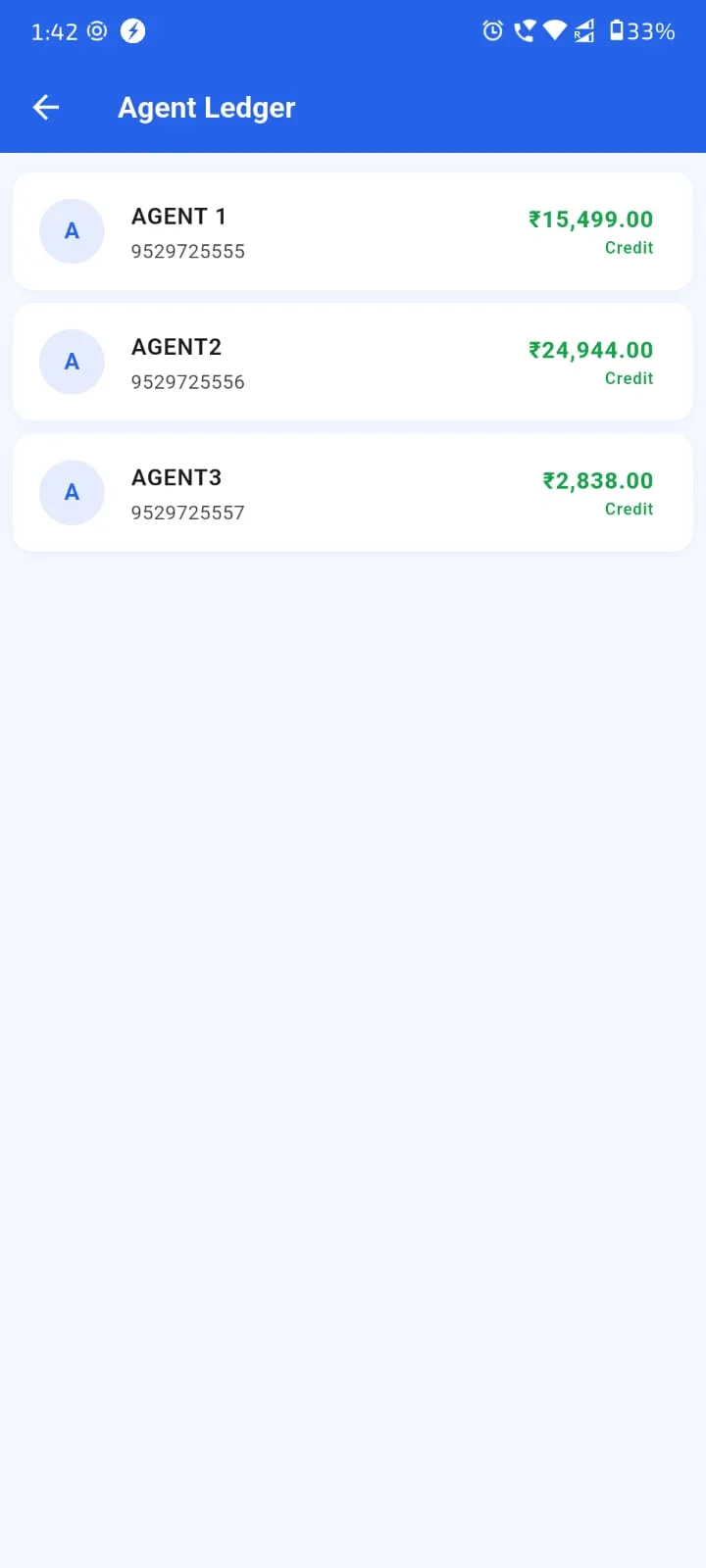
Pros: easier entry, no large capital requirement, multi-insurer access via the parent broker, supports digital-first selling. Cons: product range is restricted to pre-approved categories, you operate under someone else's broker license, commission shared with the parent. Best for: agents who want flexibility, digital-native sellers, those building POSP networks under their own code. A working PoSP agent registration app companion tool — and a sub-agent management module — becomes essential at this stage. See Sub-Agent Management System.
Try Agenex Free
Every Agenex feature is included on a free trial — no credit card required. India's all in one insurance agent app supports agent, POSP and broker workflows.
Start Free TrialInsurance Broker — The Corporate Entity Path
Insurance brokers operate under a different regulatory framework. They're licensed corporate entities that legally represent the customer rather than any specific insurer. They have access to products from all insurers and can offer genuinely independent advice.
Entry requirements are substantial — minimum paid-up capital, regulatory deposit, professional team requirements (technical staff, principal officer with prescribed qualifications), compliance infrastructure. This isn't a path for an individual seller; it's a path for an organization. Confirm specific capital and compliance requirements with IRDAI's current broker licensing guidelines.
Pros: multi-insurer flexibility, ability to handle large corporate accounts, scale potential significantly beyond individual agent or POSP, can build POSP networks under your broker license. Cons: high entry barrier, ongoing compliance overhead, requires team rather than solo operation. Best for: established multi-agent operations transitioning to formal broker structure, well-capitalized teams entering insurance distribution at scale. Insurance agency management software at the broker stage needs significantly more sophistication — multi-branch, role-based access, full audit trails. See Branch Management Software.
Which Path Is Right For You
A few practical guidelines based on agent goals and resources:
- Start as an individual agent if you want simplicity, plan to focus on one or two product lines, and want to learn the business under an insurer's structured guidance. This is the most common starting path and works well for LIC, motor and health specialists. Most successful Indian insurance careers start here.
- Become a POSP if you want flexibility across multiple insurers without the regulatory weight of full broker license, are comfortable selling digital-first, and primarily focus on motor and health products. The POSP model is ideal for younger sellers and side-business sellers (existing professionals who add insurance as a secondary income).
- Move toward broker license only when your business has reached the scale that justifies the capital and compliance commitment — typically after running a successful multi-agent or multi-POSP operation for several years. This is a deliberate organizational decision, not an early-stage choice. See Grow Insurance Agency India for the full growth path.
A working insurance digital assistant app like Agenex supports all three workflows — individual agent CRM, POSP network management with sub-agent splits, and multi-branch broker operations on Platinum plan. You can start on Silver as a solo agent and grow into a broker-stage Platinum customer over years, all on the same data and customer base. Insurance lead manage kaise kare at each stage looks different — the right software flexes with you.
FAQ
POSP — typically lower exam requirements and onboarding friction compared to becoming a full individual agent. Designed by IRDAI specifically to widen insurance distribution.
POSPs typically sell pre-approved simpler product categories. Complex life insurance products often fall outside what POSPs are authorized to sell — your parent broker can clarify exactly what your POSP authorization allows.
Substantial — paid-up capital plus regulatory deposit, depending on broker category (direct, composite). Confirm exact current requirements with IRDAI's current broker licensing circulars before committing.
A broker entity scales much higher because of multi-insurer flexibility and ability to serve corporate accounts. But it requires sustained capital and team investment that solo agents don't carry.
Yes — individual agent CRM features, POSP network management with sub-agent split logic, and multi-branch broker operations. The same data carries through plan upgrades as your business stage evolves.